Summary
Export dealmakers crumble when explaining documentary collections to Midwest VCs who think international trade means Amazon Prime shipping. Trade finance terminology separates serious global ventures from hobby importers trying to scale garage operations. Letters of credit become your credibility test when serious money meets serious borders.
Key Takeaways
- •Export pitch decks need special slides for trade money and global rules that basic templates don't include
- •U.S. exports reached $292.1 billion in November 2025, showing strong market chances for new export businesses
- •Backers spend only 3-4 minutes looking at first pitch decks, so your export story must be clear and strong
- •PDF format works best for export pitch decks when emailing backers, making sure same formatting across devices
- •Trade money options like letters of credit and export factoring should be clearly explained with cost estimates
- •Spread channel partnerships need dedicated slides showing partner review criteria and market entry plans
What Makes an Export Pitch Deck Different?
Export pitch decks need special content that standard business talks don't cover. Why? You're not just selling a product. You're proposing global market growth with complex money structures that make backers nervous.
Trade Finance Requirements
Your export pitch deck must explain how you'll finance global transactions. According to the Bureau of Economic review, U.S. exports were $292.1 billion in November 2025. This huge market needs proper financing structures.
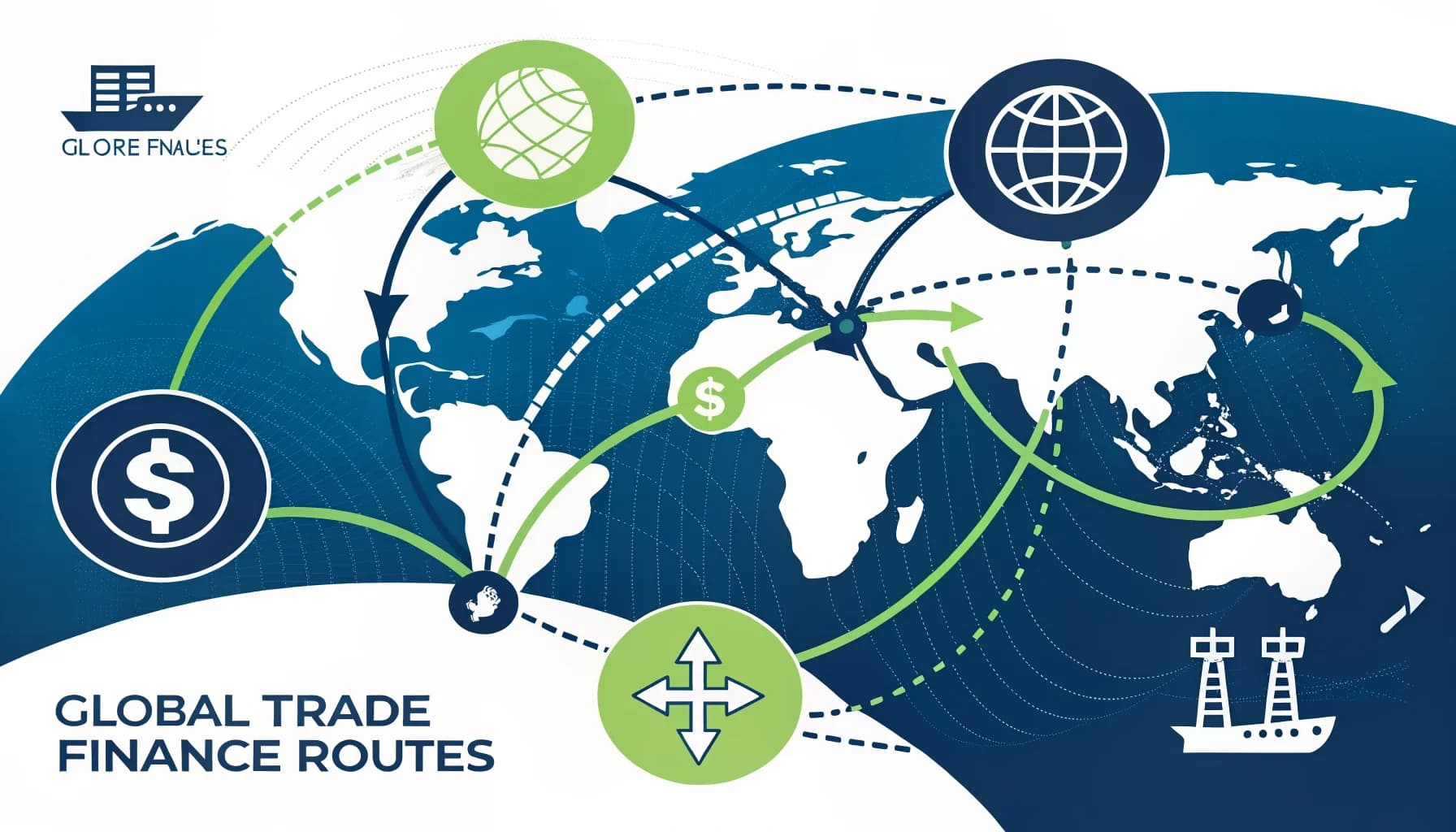
Include slides about letters of credit, export factoring, and trade credit insurance. Show backers exactly how much each option costs. Explain payment terms and currency hedging plans that protect your margins.
Here's what drives me crazy: Most founders skip this crucial section. Don't make that mistake. Backers need to see that you understand global payment problems before they'll trust you with their money.
International Distribution Challenges
Spread partnerships make or break export businesses. But how do you convince backers you can build them? Your export pitch deck needs special slides showing how you'll reach customers in foreign markets. This isn't just about finding distributors. It's about building lasting channel relationships.
Include partner review criteria and market entry timelines. Show rules compliance needs for each target country. Explain how you'll manage inventory across multiple time zones and currencies.
Basic pitch deck templates ignore these export-specific problems completely. Your talk must address them directly to win backer confidence.
Regulatory and Legal Complexity
Export businesses face unique legal and compliance problems that domestic companies never see. The U.S. government's export portal shows hundreds of rules that affect international trade. Your pitch deck must prove you understand these needs.
Include specific slides about export licenses for your products. Show compliance costs and approval timelines for each target market. Explain how rules differences between countries affect your expansion plan.
Smart backers will ask tough questions about compliance risks. Your export pitch deck should answer these before they ask. Show that rules compliance is part of your competitive advantage, not just a cost center.
How to Structure Your Export Business Pitch Deck?
The best export pitch deck follows a proven 15-slide structure. Each slide serves a specific purpose in your funding story. Recent pitch decks raised more than $2 billion combined in 2024-2025. This shows that good talks still get funded even in tough markets.
Essential Export-Specific Slides
Start with the standard pitch deck foundation: problem, solution, market size, and business model. Then add export-specific slides that backers expect to see. Include trade money options, rules compliance, and spread plan slides.
But here's where most people mess up: Your market size slide must show global chance. Don't just focus on domestic numbers. Show the total addressable market across your target export countries with real penetration rates.
Add a special slide about currency risk management. Explain how you'll handle exchange rate changes. Include hedging plans and their costs in your money estimates. Without this, smart backers will tear your estimates apart.
Financial Projections for Export Businesses
Export businesses have special cost structures that your pitch deck must address. Exports of goods decreased $11.1 billion to $185 billion in November. This shows market ups and downs that affect planning.
Include trade money costs in your unit economics. Add shipping, customs, and compliance expenses. Show how currency changes impact your margins and how you'll manage those risks.
Break down your income estimates by country or region. Why does this matter? Because rules approval processes and partnership development cycles vary wildly between markets. Include real growth timelines that account for these differences.
Global Market Context and Risk Assessment
The World Trade group tracks global trade flows and market access conditions. According to WTO statistics, world merchandise trade volume grew 2.7% in 2024. Your pitch deck should reference global trade trends that support your expansion plans.
Include slides that show how international trade agreements affect your business. Explain tariff rates and trade preferences for your target markets. Show how changing trade policies might impact your growth plans.
Address supply chain risks and backup plans. Global events can disrupt trade flows quickly. Smart backers want to see that you've planned for these disruptions with multiple suppliers and shipping routes.
What Are the 4 Types of Export That Matter for Your Pitch?
Understanding export types helps you position your business correctly for backers. Each type has different risk profiles and growth potential that affect your funding story. So which one fits your business model?
Direct vs Indirect Exports
Direct exports mean you sell directly to foreign customers. This gives you more control but needs larger upfront investments. Your export pitch deck should highlight your direct customer relationships and market knowledge.
Indirect exports use middle companies like export trading companies. This reduces risk but limits profit margins. Show backers why you chose your export model and how it affects growth.
Here's what separates winning pitches from losing ones: Include specific examples of your export transactions. Show actual orders, customer testimonials, or letters of intent. Real proof beats theoretical estimates every time.
Product vs Service Exports
Product exports face different problems than service exports. Physical goods need shipping, customs clearance, and inventory management. Services need rules compliance and cross-border payment processing.
Your export pitch deck must address the specific problems of your export type. Product exporters need supply chain slides. Service exporters need compliance and delivery method slides. But do you know which problems matter most to backers?
Show how your export type affects your competitive advantage. Explain barriers to entry that protect your market position in global markets.
Why Do Export Businesses Need Specialized Pitch Deck Templates?
Basic pitch deck templates miss crucial export business elements. Backers skim first—often spending just 3–4 minutes on first pitch deck review. Your export story must be immediately clear, or you're done.
Trade Finance Complexity
Export businesses use money tools that domestic companies never touch. Letters of credit, export factoring, and documentary collections need explanation. Standard pitch templates don't include these concepts.
Your export pitch deck needs slides that explain trade money in simple terms. Show how these tools reduce risk and improve cash flow. Include specific costs and terms from your banking relationships.
Here's the truth: Most backers don't understand trade money problems. Your job is to educate them while building confidence in your money plan. But how do you explain complex concepts without losing their attention?
Regulatory Compliance Requirements
Every export market has special rules needs. Your pitch deck must show that you understand these rules and have compliance plans. This isn't just about following laws. It's about competitive positioning.
Include slides about export licenses, product certifications, and customs procedures. Show how compliance creates barriers for rivals. Explain your rules plan as a competitive advantage that protects your market share.
Address data privacy laws like GDPR if you export services. Show how you'll handle cross-border data transfers and customer privacy needs. Smart backers will ask about this anyway.
Real-World Example
This example is illustrative and based on combined data patterns from multiple sources.
Medical Device Export Success Story
A medical device startup wanted to export FDA-approved products to European markets. Their export pitch deck included specific slides about CE marking needs and European distributor partnerships. They showed exactly how long rules approval would take and what it would cost.
The founders included trade money estimates showing letter of credit costs and payment terms. They explained how export credit insurance would protect against customer default risks. Their money model included currency hedging costs and real growth timelines.
Smart move: Their spread plan slide mapped potential partners in Germany, France, and the UK. They included partner review criteria and income sharing models. The pitch deck showed real market penetration rates based on rival review.
Key Success Factors
The startup raised $2.5 million because their export pitch deck addressed backer concerns directly. They showed deep understanding of global market problems. Every slide included specific details and real estimates.
Their rules compliance slide impressed backers who had seen other medical device companies fail overseas. The trade money section showed smart understanding of global payment risks. spread partnerships were based on actual conversations, not wishful thinking.
What made the difference? They treated every slide like a chance to prove their expertise. Note: This is a composite example created for illustrative purposes. Does not represent a single real person or company.
Tools to Get Started with Your Export Pitch Deck
Building an export pitch deck needs the right tools and templates. Here's exactly what you need to create expert talks that win funding in 2026. But which tools actually work for complex export presentations?
Template Selection and Customization
1. Start with PowerPoint or Google Slides for maximum compatibility. Most backers prefer these standard formats over special design tools.
2. Choose templates with clean layouts and plenty of white space. Export concepts are complex enough without cluttered slide designs.
3. Customize slides for export-specific content like trade money options and rules timelines. Add custom charts for global market data and currency estimates.
4. Create master slides for consistent formatting across all talk versions. You'll need different versions for different backer types and funding rounds. Why? Because seed backers care about different things than Series A backers.
Essential Export Business Slide Templates
5. Build a trade money comparison slide showing letters of credit. Factoring, insurance options with specific costs and terms.
6. Create a rules compliance timeline slide for each target market. Include approval processes, required certifications, and estimated timeframes.
7. Design spread channel maps showing partner locations, market coverage, and income estimates by region. But how detailed should these maps be?
8. Add currency risk management slides explaining hedging plans and their impact on profit margins.
Remember to save your export pitch deck as a PDF when sending to backers. This format makes sure same appearance across different devices and operating systems.
Further Reading
Pitch Deck Software Comparison: PowerPoint vs Keynote vs Canva vs Figma for Business PlansFAQs
Pros and Cons of Writing a Business Plan
Pros
- ✓Addresses special export business problems that basic pitch templates miss
- ✓Includes special slides for trade money, rules compliance, and spread
- ✓Shows backers you understand global market problems
- ✓gives systems for currency risk management and hedging plans
- ✓Covers export-specific money estimates and cost structures
- ✓Helps secure funding by showing export market expertise
Cons
- ✗More complex than standard domestic business pitch decks
- ✗Needs deep knowledge of trade money and global rules
- ✗May overwhelm backers unfamiliar with export business models
- ✗Takes longer to prepare due to global market research needs
- ✗Needs frequent updates as global rules and markets change
- ✗Limited availability of high-quality export-specific templates and examples
Conclusion
A strong export pitch deck combines clear money estimates with detailed market review. Your slides must address the special problems of global trade. Include specific details about trade money, spread channels, and rules compliance.Remember that backers want to see proof of market demand and real growth estimates. Use the templates and examples in this guide to create talks that win funding. Focus on the metrics that matter most for export businesses in 2026.Start building your export pitch deck today with the tools and systems we've shared. Your global expansion dreams are closer than you think when you show them the right way.